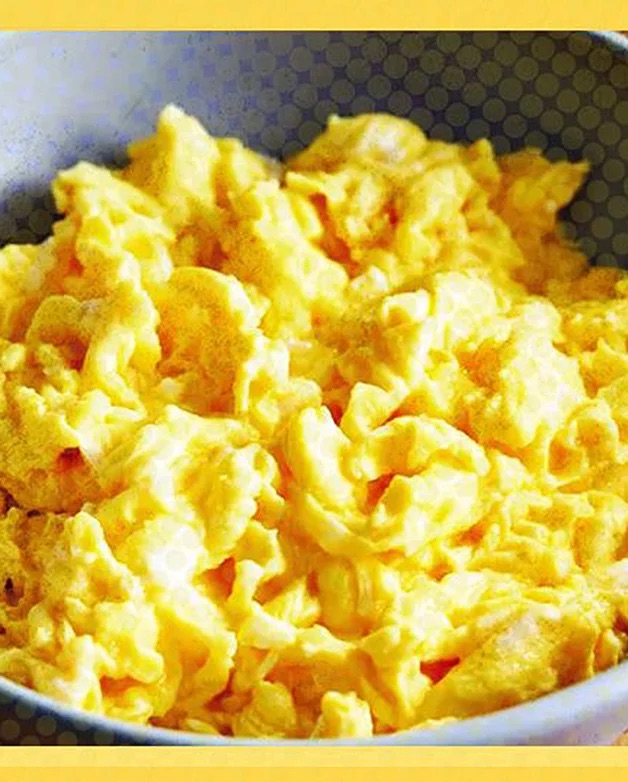
Scrambled eggs are often one of the first dishes we learn to cook, perhaps as kids standing beside a parent or grandparent as they whip up our favorite breakfast. It’s a simple, quick, and delicious way to start a busy day. But, as is often the case in the culinary world, the simplest recipes are often the trickiest.
But if you ever made scrambled eggs that tasted a bit lackluster, watery, or even rubbery, chances are there’s an ingredient you’re adding that’s causing some problems. Perhaps you’ve been adding a splash of milk out because someone once said you should always add milk to your scramble—and while dairy can certainly enhance the flavor of eggs, you’re probably adding too much.
We all know that weeknights get busy—whether you’re working late, shuffling kids to soccer practice or trying to squeeze in an evening yoga class—and there’s not always time to whip up an elaborate meal. That’s why we love having a few tried-and-true 30-minute recipes to rely on. They make meal prep easier and allow you to spend less time in front of the oven and more time enjoying whatever it is you like to do in the evenings.
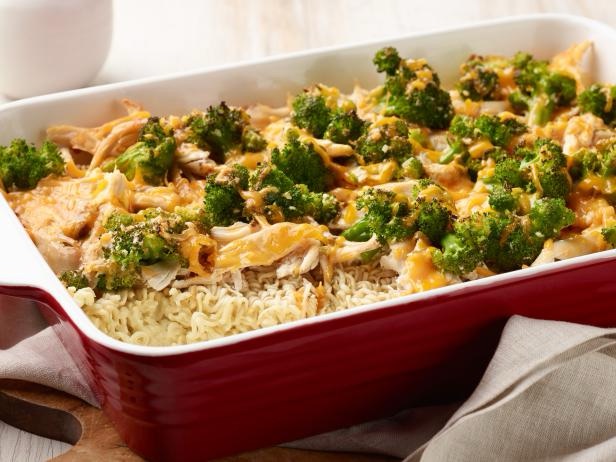
With the help of shortcuts like rotisserie chicken and naturally speedy dishes like stir-fries, weeknight dinners don’t have to take all night—and we’ve found plenty that feature family-favorite chicken and can be on the table in 30 minutes or less. Read on for our favorite easy ideas.
Curiously, water and oil work together to make a magical one-skillet weeknight chicken dinner in this easy recipe. A true hands-off meal, potatoes cook alongside crispy chicken thighs by first boiling in water until tender, and then fry into golden nuggets in the remaining oil.
Whether you’re an occasional home cook or devote your waking hours to making gastronomic creations, you will likely agree that aluminum foil (aka tin foil) is one of the most versatile products in the kitchen. Whether you use it to line sheet trays, cover roasting meats, or shape it into a pouch to cook or reheat leftover foods in the oven, aluminum foil can do so many things.
While the thin metal is used by 319 million Americans each year (according to one 2020 study), have you ever wondered why one side is shiny while the other is dull? Recently, a video went viral on social media claiming that the side you use should depend on how and what you will use the foil for. But is there any truth to that? Is the dull side intended for certain uses, and the shiny intended for other? To settle the confusion, we consulted some experts about the “right way” to use aluminum foil.
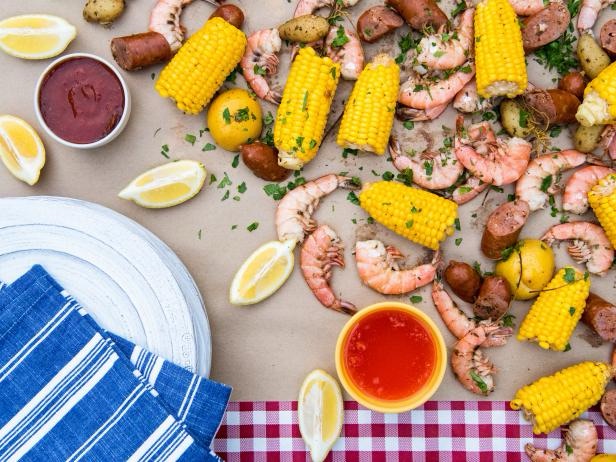
Warm weather and seafood go hand in hand. Whether you make a no-cook dish like bright and tangy ceviche or fire up the grill for marinated shrimp or perfectly charred salmon, seafood always feels light-yet-satisfying—which is perfect for hot, sunny days. You’ve got a lot of choices when it comes to grilled fish and seafood: family-favorite fish tacos, company-worthy seared scallops and more. So, how do you choose when there are so many delicious options? Work your way through this roundup, starting with a dish inspired by the flavors of a classic shrimp boil. We’ve included andouille, potatoes, corn, Old Bay and garlic—and upped the ante by simmering everything in an all-butter sauce. Serve family-style with toasted crusty bread for dipping so you don’t miss out on any of the delicious sauce.
I was doing that dread chore again, cleaning out the freezer and the refrigerator. I was struck by the sheer amount of “mystery leftovers” that I found. We all have them, even if we don’t think about them. However, it got me thinking about the food being wasted and thrown out.
So what seems to be the problem here? None of us start out looking to waste time and money, especially not on food. This puzzled me so much that I decided to take a look at what the answer might be.
For those of us who learned to cook from our parents, we probably had to cook enough for between 4 to 6 people. I know that I did. The trouble was that when I got married, I only knew how to cook for 6. All the recipes that I knew made that much.
I remember looking at cookbooks, looking for smaller recipes. What I found was recipes that started at 4 servings and went up from there. Not much help, to be honest. After my children were born, the 4 servings were just right, but things changed.
What to do, what to do!
Portion control and Serving Size are two of the key factors in any meal plan. It’s all fine and good to say that the recipe makes 4 servings, but if you don’t know how much a serving is, how can you make sure you’re getting the correct amount?
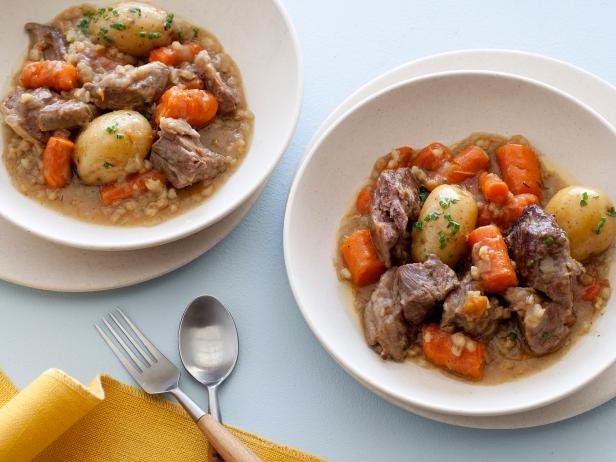
With some recipes that feature things like chicken parts, pork chops, etc., it’s easy. A serving is one piece. Recipes that make stews, soups or chili are harder to work with.
Once again I had to go digging through cookbooks for clues. The older cookbooks (think Betty Crocker) might tell you how much soup the recipe would make, and then you could use the information to find out how much a serving is. However, these cookbooks don’t give you the nutritional information. The newer cookbooks have the nutritional information but not how much soup the recipe makes! Frustrating to say the least.
A Two-Part Solution
The solution turned out to be a two-part solution for me. The first part involved getting smaller appliances such as a slow cooker or an Instant Pot Mini. There are just some foods that you cook on the fly such as a roast. If you can only fit so much into your cooker, you can’t make as much. You start automatically reducing the amount of food you are making.
The second part was both easy and difficult at the same time. The recipes that you use have to be sized to make only 2 servings. My favorite example of this is lasagna. Most of the time a lasagna recipe makes a 9 x 13 pan. Nice if you are having family over, way too much for a couple. If you substitute a loaf pan for larger pan, you end up with lasagna that is just enough for 2 people.
You might think that the easy part would be to simply divide your recipe in half. You would be wrong. My favorite source of recipes is the people at America’s Test Kitchen. When they initially set out to create a cookbook for 2 people, they discovered the flaw in that thinking. You see, there are some recipes that work because of the “ratios” of ingredients. Those recipes have to be totally reinvented to yield 2 servings. For other recipes, it makes more sense to change the ingredients to accommodate smaller amount needed.
The easy part? Finding cookbooks for two! The hard part is giving up your favorite recipes to start including ones that make smaller amounts










 Book Reviews by the Reluctant Retiree