
Posted in #allrecipes

11 Salad-Making Tips for People Who Hate Salad

Even as a self-proclaimed salad-lover, I understand and sympathize with those who don’t care for (or even legitimately dislike) salad. I understand completely

Salad is a controversial topic, and I think it’s largely because, when we talk about “salad,” we’re often talking about entirely different things. There are no bright-line rules governing what constitutes a salad. I mean, if you’re from my proverbial neck of the woods, boiled potatoes coated in mayonnaise equals salad. Folks, you can combine citrus-flavored Jell-O, brown mustard, mayo, cabbage, white vinegar, and ham… and call it salad. No one will stop you, not even us. 

Merriam-Webster says that salad is “a usually incongruous mixture,” listing “hodgepodge” as a close synonym. The dictionary can’t even define salad well, how are we supposed to? 

In my experience, a lot of people know salad as limp greens (or in some circles, watery iceberg lettuce) bogged down with whatever brand of bottled Italian dressing is on sale that week, with some too-chunky cucumber rounds and whole grape tomatoes thrown in for good measure. At least, that’s what I grew up understanding salad to be. And who could blame someone for being less than thrilled about that? Not me. 

The reality is, salad is often an afterthought—a token sidekick to certain entrees or an easy, throw-together way to get a “vegetable” on the table. However, if you can ditch the semi-traumatic image of what you (through no fault of your own) think salad is, and embrace the idea of what salad can be—i.e. An incredibly vibrant, dynamic, crave-worthy side or main dish—I promise, your life will be better for it. 

If you’re open to the possibility, here are TK# pointers that will help you along the way.

Allrecipes

Posted in #allrecipes

Here’s How to Tell If Your Ground Beef Is Past Its Prime

If you’ve stared at that package of raw ground beef in your fridge and wondered if you left it too long, you’re not alone. Meat, whether chicken, beef, or pork, is one thing you don’t want to consume when it has gone off: Even when cooked, there is the potential that it could cause food poisoning. You also don’t want to misinterpret the signs and throw out meat that’s perfectly fresh, thus wasting money and upending your dinner plans. So how do you know if ground beef is spoiled or safe to eat? And what does that gray color really mean? Read on to have all your ground beef questions answered once and for all.  

Allrecipes

Posted in #allrecipes

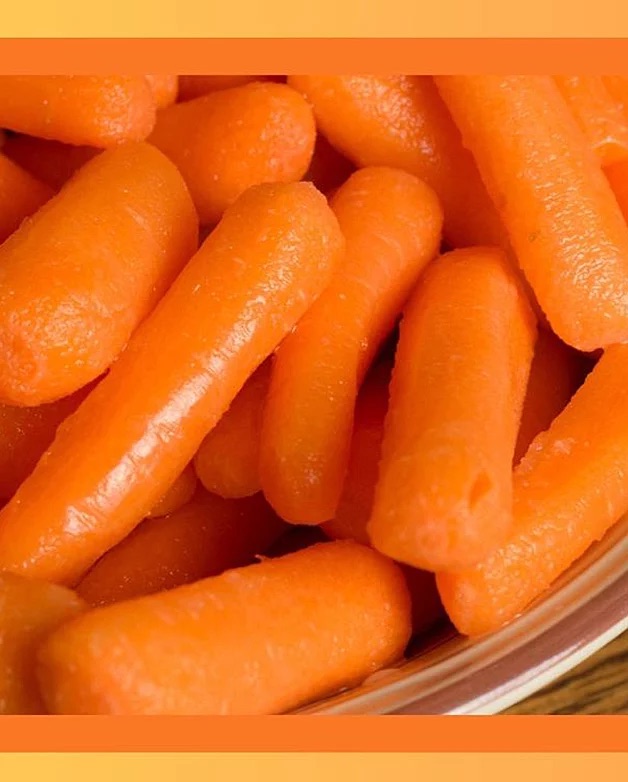
This Is the Reason Your Baby Carrots Are Always Wet

Baby carrots are, by all accounts, a curious produce item. They’re so polished, so smooth, so rounded, and just…so uniform. Of course, it’s not uniformity that’s earned the baby carrot a revered spot in crisper drawers across the country (mine included)—it’s convenience. 

Baby carrots require no washing or peeling, simply open the package and they’re ready to go. Use them for dipping, for roasting, for whatever you please! They’re here to offer a type of luxurious ease we all deserve a taste of. Still, there is one feature of these conveniently bite-sized hummus vehicles that has always given me pause: the amount of liquid present in every bag. I mean, why are they so wet? 

As it turns out, the liquid is there for a reason and no cause for concern. 

Allrecipes

Posted in #allrecipes

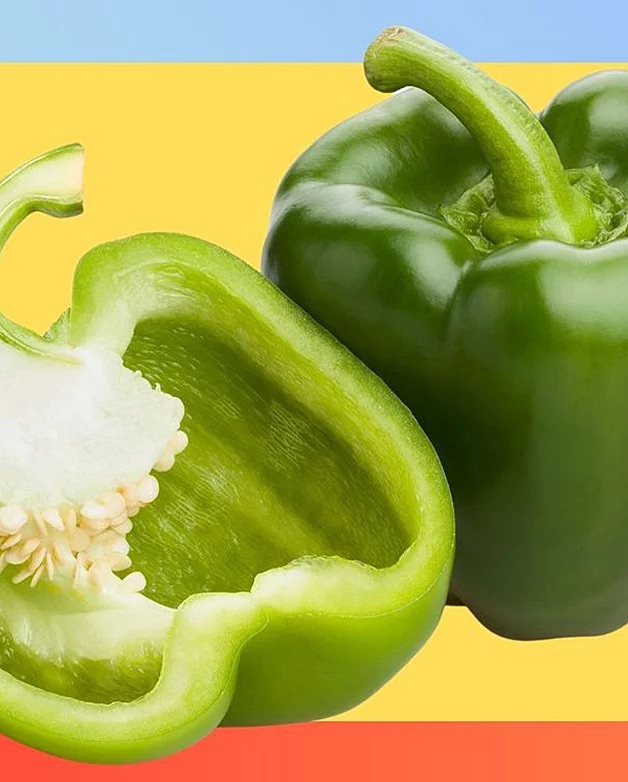
Chef John’s Bell Pepper Cutting Trick Will Save You Time (And Prevents a Seedy Mess)

Cutting a bell pepper, with all of its seedy ribs and stems, might seem like an intimidating task to the beginner cook. But fear not! The bell pepper is actually one of the easiest vegetables to slice and dice. You just need to know what you’re doing. 

Luckily for us, Chef John is full of tricks and advice for home cooks of all skill levels. 

His new Ultimate Cowboy Caviar recipe features three (count ‘em, three) types of peppers—and he used it as an excuse to share a time-saving tip for cutting bell peppers without the mess.  

Allrecipes

Posted in #allrecipes

Stop Adding This Ingredient to Scrambled Eggs

Scrambled eggs are often one of the first dishes we learn to cook, perhaps as kids standing beside a parent or grandparent as they whip up our favorite breakfast. It’s a simple, quick, and delicious way to start a busy day. But, as is often the case in the culinary world, the simplest recipes are often the trickiest. 

Scroll around the internet for scrambled egg recipes, and you’ll find that almost every chef has a versionthey claim is the creamiest, lightest, or fluffiest. Whether it’s Gordon Ramsey’s more elaborate method with a crème fraîche finish or Ina Garten’s inclusion of half-and-half, you don’t have to look far to find many different ways to make your morning eggs.

But if you ever made scrambled eggs that tasted a bit lackluster, watery, or even rubbery, chances are there’s an ingredient you’re adding that’s causing some problems. Perhaps you’ve been adding a splash of milk out because someone once said you should always add milk to your scramble—and while dairy can certainly enhance the flavor of eggs, you’re probably adding too much. 

Allrecipes