
Posted in From My Kitchen

Panzanella Salad

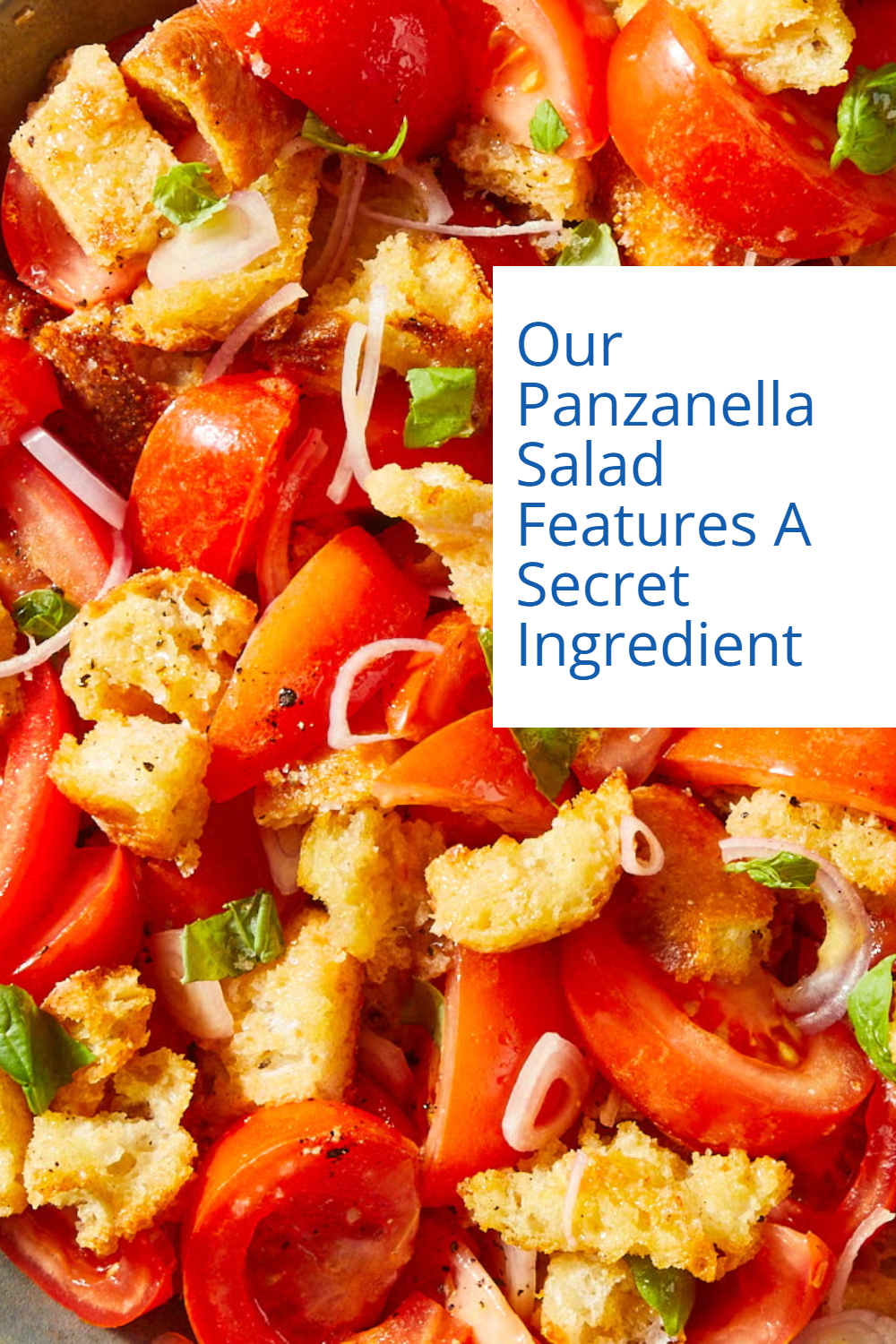
Summer is a huge bowl of panzanella in the center of the table: generous bronzed croutons tossed with chunks of juicy tomato, shallots, and torn basil in a bright vinaigrette. It might technically be called a salad, but you’ll probably find yourself snacking on it for breakfast, dinner… and dessert.

Originating in Tuscany, panzanella salad has traditionally consisted of dry stale bread soaked in water to rehydrate it, then tossed with tomatoes, onions, olive oil, red wine vinegar, and herbs. Most modern recipes ditch the stale bread, opting to crisp fresh bread in the oven instead for better texture and flavor. The alliums vary depending on the recipe—some choose red onion, while others prefer shallots—but the good tomatoes and olive remain a non-negotiable.

How To Make Panzanella Salad

A panzanella salad might seem simple to make—and it is! But like most simple dishes, the devil is in the details. Here’s how to prep this salad intentionally to take it from pretty good to great.

INGREDIENTS

  • Bread: A crusty country loaf with a large irregular crumb is the best bread for this salad. You want something that will get crispy in the oven and then absorb all that dressing without completely losing its form. Contrary to the original traditions of this recipe, I recommend using fresh bread for the best flavor. Whatever you do, make sure to tear the bread, rather than cutting it: those irregular torn edges will add amazing texture to the salad.
  • Extra-Virgin Olive Oil: This is a moment to get out the best olive oil you have, since you’ll really taste it on the croutons and in the dressing.
  • Kosher Salt: I prefer to use Diamond Crystal kosher salt, since the size of the granules make it easier to season evenly without overseasoning. If you have Morton, I recommend using about half the amount called for in the recipe.
  • Black Pepper: No need to seek out fancy peppercorns, but freshly ground is the way to go here. The aromatics from black pepper dissipate quickly, and especially in a salad with so few ingredients, you want it to be as present as possible.
  • Tomatoes: Use the freshest, ripest tomatoes you can find. Besides the bread, they’re the most important thing in this salad. Make sure they’re worthy of their starring role.
  • Red Wine Vinegar: Red wine vinegar works along with the tomato juice and olive oil to form the backbone of the vinaigrette.
  • Dijon Mustard: Mustard adds a zing that compliments the tang of the red wine vinegar and sets off the sweetness of the tomatoes.
  • Shallot: Thinly sliced shallot brings a sweet sharpness to the salad. They’ll also start to marinate in the dressing if the salad continues to sit once fully assembled,
  • Basil: Gorgeously green basil adds an herby freshness that rounds out the sharp shallot and sweet tomatoes. If the leaves are small, leave them whole; otherwise, tear larger leaves into irregular pieces.

delish!

Posted in From My Kitchen

Blackberry-Peach Salad

Packed with fresh fruits, cooling cucumber, and juicy tomatoes, this vibrant summer salad works as a colorful centerpiece to lunch or dinner, or as an accompaniment to fish or grilled meat. The combination of juicy peaches, tart blackberries, fresh herbs, and toasted walnuts piled over zesty honeyed ricotta packs an incredible punch. Read on for our best tips on how to make this salad.

Sweet & savory:
With the summertime sweetness of the fruit, savory notes are needed in this salad. Enter: juicy Castelvetrano olives, which lend a mild brininess, as well as the shavings of blue Stilton that are scattered on top of the salad before serving.

The dressing:
We love this salad on its own so much that there’s no real need for a fussy dressing. A generous drizzle of peppery olive oil and a big squeeze of lemon juice with some flaky salt is all that’s needed, but if desired, the addition of white balsamic vinegar would be lovely.

Substitutions:
The beauty of this salad lies in its versatility; you can change up many of the components with anything you love or want to use up. If you’re unable to get hold of fresh peaches, yellow mangos or nectarines work just as well. The Stilton can also be swapped for another blue cheesefetagoat’s cheese, or cotija.

Serving:
The salad is best served fresh and at room temperature. Serve as is, or with some crusty bread to mop up any delicious leftover fruit juice and ricotta. It can also be piled up next to grilled chicken or lamb at a BBQ. Take out the cheese, and you have the perfect side to a beautiful piece of salmon or a seared tuna steak.

delish!

Posted in From My Kitchen

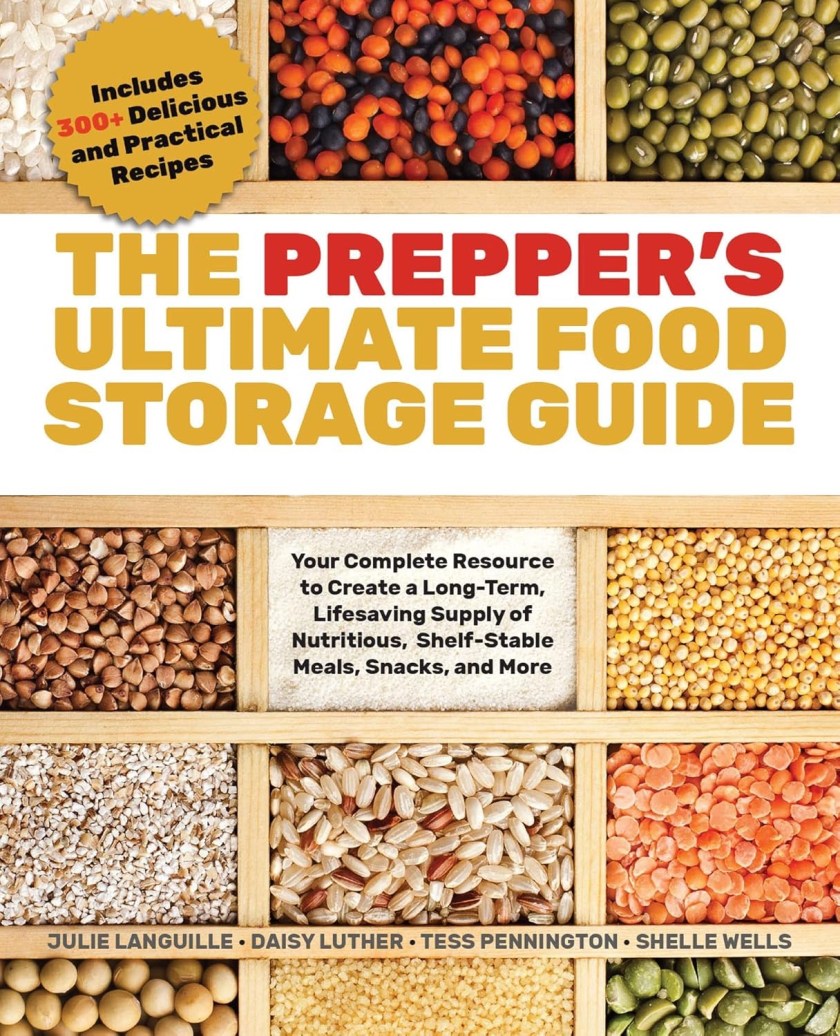
The Prepper’s Ultimate Food Storage Guide

Take emergency preparedness to the next level with this guide to storing and preserving healthy food for you and your family for a lifetime.

Be prepared for any catastrophe—whether a pandemic, natural disaster, or other grid-down situation—with this comprehensive food storage bible. It’s with advice from the best preppers on canning, dehydrating, stockpile maintenance, and shelf-stable cooking. This 4-in-1 book collection offers your one-stop-food-shop for everything you need to know, including:

  • Building a long-term stockpile on a budget
  • Must-have alternative cooking gear for grid-down living
  • How to dehydrate everything from meats to fruits and vegetables
  • Techniques for creative canning, from jams to entire entrees
  • Food-safety guidelines for safe meal-prep and storage
  • Hundreds of tasty recipes for nutritious meals
  • And much more

The Prepper’s Ultimate Food-Storage Guide is the self-reliant solution to a lifesaving food supply that will keep you and your family healthy for a lifetime. Stay safe, and stay prepared!

Amazon

Posted in #allrecipes

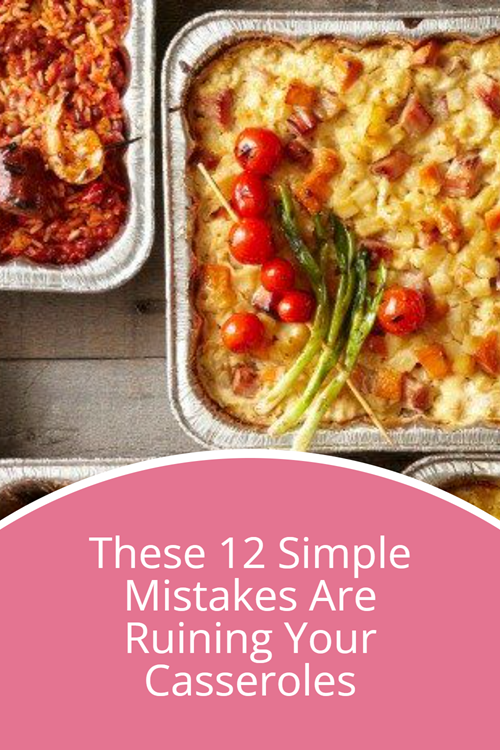
These 12 Simple Mistakes Are Ruining Your Casseroles

Casseroles have long been the savior of weeknight dinners, the champion of do-ahead dishes, the perfect way to stretch leftovers deliciously into a second meal, sometimes even more satisfying than the first. They are staunchly comforting, easy enough for both kids and harried parents to pull off, and even the fussiest of gourmands will cop to loving a classic casserole or two. And if they claim they don’t, just say the words cassoulet or tian Provençale and their denials will go silent. But simple-to-prepare doesn’t mean without pitfalls. Here are a dozen of the places you can go wrong with your casserole cookery.

1. Choosing the wrong baking dish.

Casserole dishes need, first and foremost, to be ovenproof. Glass, ceramic, cast iron, enameled — whatever you choose be sure you know it is designed to go into the oven. There’s nothing worse than assembling a perfect casserole in that lovely piece of pottery you bought at the art fair and have it crack in half mid-bake.

2. Using the wrong size dish.

Once you have ascertained that your dish is oven safe, make sure it is the right size for what you want it to contain. Recipes should specify size and shape (an oval 10-inch dish will contain less volume than a rectangle), and depth. Casserole dishes should be filled no more than three-quarters of the height of the dish to prevent overflow when cooking. And it is always a good idea to place the casserole dish on a sheet pan to catch spatters, or to place a sheet pan on the rack just below. You don’t win on convenience with a casserole if you then have to clean your oven!

Allrecipes

10 Million-Dollar Recipes

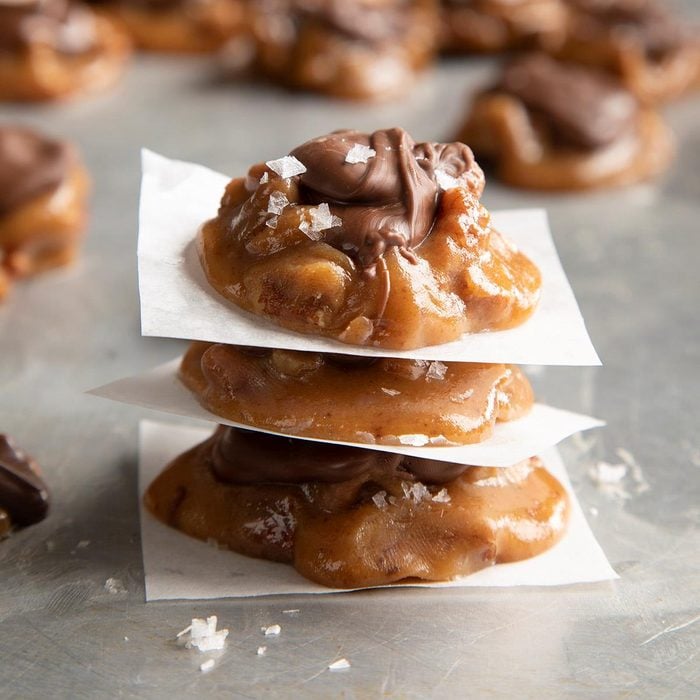
These million-dollar recipes get their pricey reputation from how rich and creamy they taste and not for their price. Perfect to bring along to any occasion, these are a few of our favorite million-dollar recipes that’ll be sure to gather a crowd.

Taste of Home