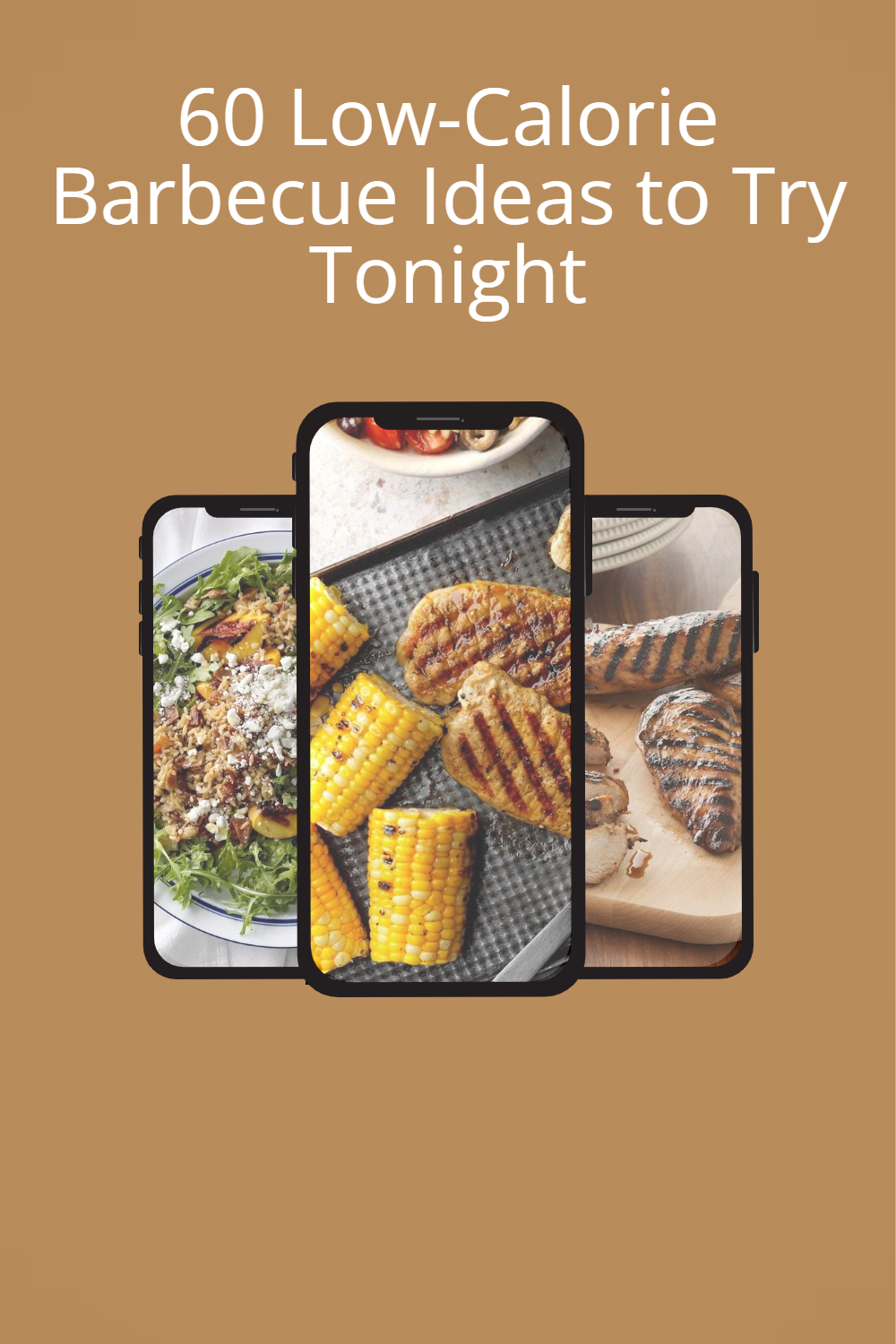
Low-calorie does not mean low-flavor, and this list of wholesome summer grilling ideas confirms that. Our light, delicious, low-calorie barbecue recipes are perfect for a backyard barbecue. The best part? Each serving is less than 350 calories!
At Taste of Home, we know the grill can handle many different ingredients, so we have tons of unique grilling recipes—many of which are low-cal! In this list, expect lean meats in entrees like our herbed pork chops, grilled salmon fillets and fish tacos. We also include super flavorful sides, like mojito-style tomato salsa, grilled guacamole and lime-sesame grilled eggplant, that get a whammy of flavor thanks to one or two components’ time on the grill.
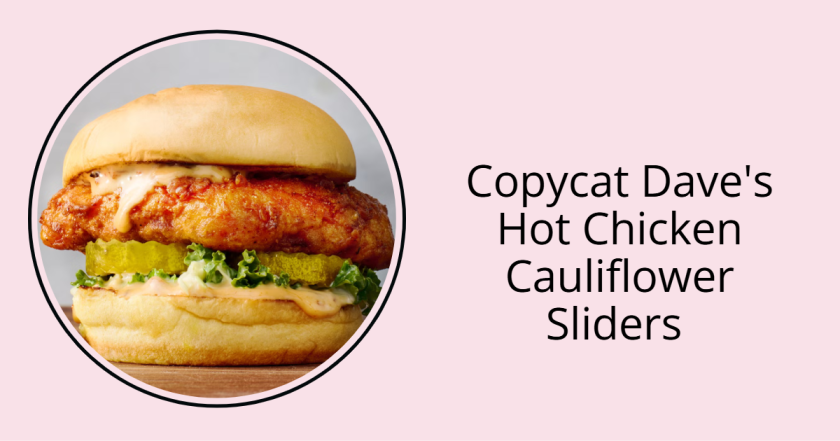
Dave’s Hot Chicken has been on a roll since its humble beginnings as a parking lot pop-up in Los Angeles. With its signature Nashville-style hot chicken, cult-like following, and celebrity investors like Usher, Samuel L. Jackson, and Maria Shriver, it’s no wonder they now boast over 100 locations across 4 countries. A few years into their meteoric rise, they debuted a vegetarian option, swapping out the chicken for cauliflower. Dubbed “Dave’s Not Chicken,” this dish offers all the bold flavors and textures of their classic hot chicken—minus the meat. If you don’t live near a Dave’s or simply want to re-create the experience at home, this recipe is your answer.
Cauliflower tenders: For the cauliflower “tenders,” which are essentially steaks, I used 2 small heads, 1 to 1 1/2 lb. each, to ensure they fit neatly on the bun. When cutting the steaks, make sure to cut them from the center where the stem holds the florets together. Save the loose florets to bread and fry as bonus bites! If only large cauliflower is available, cut 2 center steaks, then halve them.
Crispy crust: For maximum crunch, I went with a double dredge—it takes a bit more time but is totally worth it. Each steak gets dipped in the buttermilk mixture, dredged in seasoned flour, then the process is repeated. Letting the coated cauliflower rest for 30 minutes at room temperature helps create a sturdy, crispy crust.
Spice level: Dave’s also stands out for its seven spice levels, ranging from “No Spice” to the daring “Reaper,” which features the Carolina Reaper, the world’s hottest chile pepper. For context, the Reaper is twice as hot as the infamous ghost pepper! For this recipe, I went light on the spice, using 1 Tbsp. cayenne in the spice blend to achieve a medium-hot heat. Want more heat? Add 1 to 2 more Tbsp., or turn it up even further with a spicier powdered chili. Maybe you can get your hands on some of that fiery Reaper chili powder if you really want to bring the heat.
Storage: For ease, prep components like the kale slaw and creamy sauce ahead of time. The slaw keeps in the fridge for up to 3 days, while the sauce lasts up to 5 days.
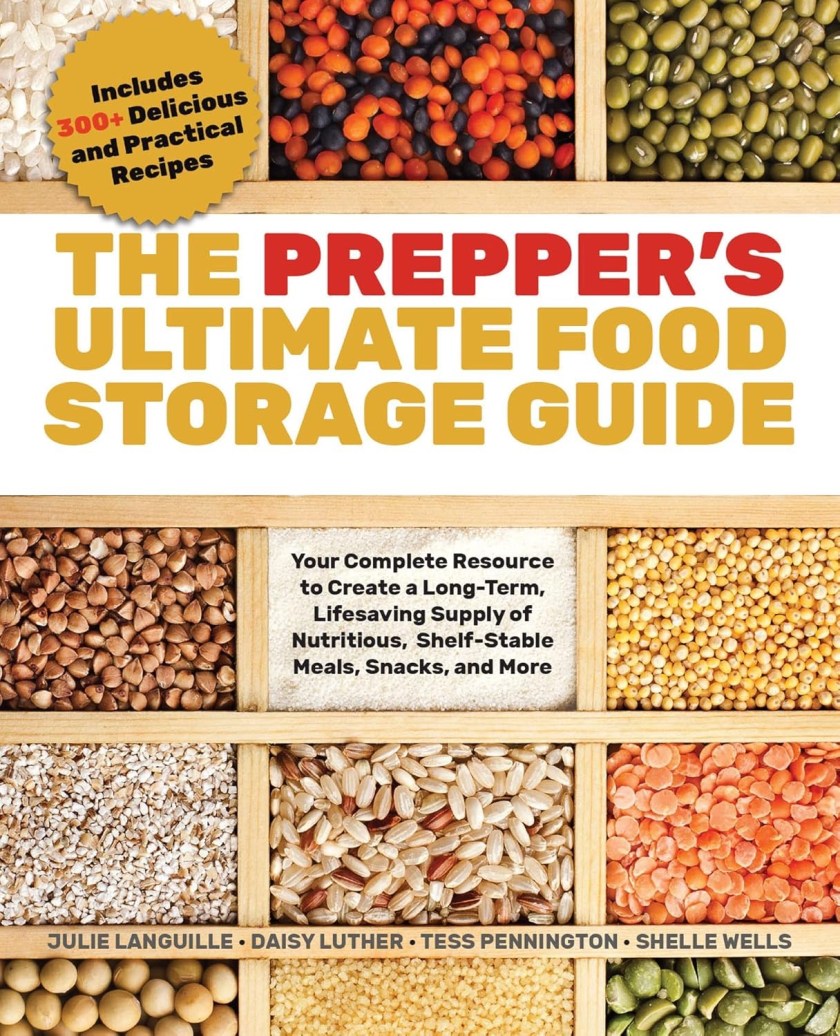
Take emergency preparedness to the next level with this guide to storing and preserving healthy food for you and your family for a lifetime.
Be prepared for any catastrophe—whether a pandemic, natural disaster, or other grid-down situation—with this comprehensive food storage bible. It’s with advice from the best preppers on canning, dehydrating, stockpile maintenance, and shelf-stable cooking. This 4-in-1 book collection offers your one-stop-food-shop for everything you need to know, including:
Building a long-term stockpile on a budget
Must-have alternative cooking gear for grid-down living
How to dehydrate everything from meats to fruits and vegetables
Techniques for creative canning, from jams to entire entrees
Food-safety guidelines for safe meal-prep and storage
Hundreds of tasty recipes for nutritious meals
And much more
The Prepper’s Ultimate Food-Storage Guide is the self-reliant solution to a lifesaving food supply that will keep you and your family healthy for a lifetime. Stay safe, and stay prepared!
Those Southern cake recipes will bring back fond memories of your grandma’s country kitchen. Find our favorite recipes for upside-down cake, hummingbird cake and more.
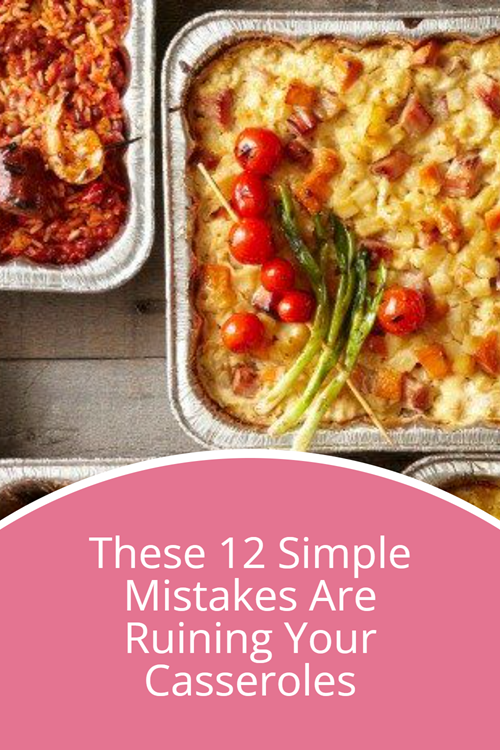
Casseroles have long been the savior of weeknight dinners, the champion of do-ahead dishes, the perfect way to stretch leftovers deliciously into a second meal, sometimes even more satisfying than the first. They are staunchly comforting, easy enough for both kids and harried parents to pull off, and even the fussiest of gourmands will cop to loving a classic casserole or two. And if they claim they don’t, just say the words cassoulet or tian Provençale and their denials will go silent. But simple-to-prepare doesn’t mean without pitfalls. Here are a dozen of the places you can go wrong with your casserole cookery.
1. Choosing the wrong baking dish.
Casserole dishes need, first and foremost, to be ovenproof. Glass, ceramic, cast iron, enameled — whatever you choose be sure you know it is designed to go into the oven. There’s nothing worse than assembling a perfect casserole in that lovely piece of pottery you bought at the art fair and have it crack in half mid-bake.
2. Using the wrong size dish.
Once you have ascertained that your dish is oven safe, make sure it is the right size for what you want it to contain. Recipes should specify size and shape (an oval 10-inch dish will contain less volume than a rectangle), and depth. Casserole dishes should be filled no more than three-quarters of the height of the dish to prevent overflow when cooking. And it is always a good idea to place the casserole dish on a sheet pan to catch spatters, or to place a sheet pan on the rack just below. You don’t win on convenience with a casserole if you then have to clean your oven!








 Book Reviews by the Reluctant Retiree