Posted in Guest Authors

A Guide to Creating Reliable Retirement Income Without Relying on Pensions

Many retirees living on a fixed budget know the uneasy math of retirement: bills arrive on schedule, but income doesn’t always. Pension reliance risks show up when payouts change, costs rise, or benefits don’t stretch as far as expected, and those retiree income challenges can feel surprisingly personal after decades of working. At the same time, investment income variability can turn what looked steady on paper into a month-to-month guessing game. The goal is simple: retirement income stability built through thoughtful income diversification for retirees.

Understanding Diversified Income Streams

At its core, diversified income means you are not betting your monthly comfort on one paycheck replacement. You spread your cash flow across a few different sources so a hit to one does not knock over your whole plan. It is also a realistic mindset, since diversification cannot assure, protect against loss, but it can reduce how much any single surprise hurts.

This matters because retirement is long, and life gets lumpy. A repair, a medical bill, or a price jump feels different when you have more than one way to cover it. It also closes the planning gap when only 32% say they’re good at setting up and sticking to a long-term financial strategy.

Think of it like a small table with several legs instead of one pillar. If one leg wobbles, the table still stands. A modest side income can keep groceries covered while you adjust the rest.

One alternative some retirees consider is a life settlement, starting with the basics and reputable buyers.

Turn an Unneeded Life Policy Into Cash Flow: Life Settlements

Once you’re thinking in terms of multiple income sources, it helps to look at assets you may be paying for but no longer truly need.

One often-overlooked option for some eligible retirees is a life settlement, selling an existing life insurance policy to a third party for a lump-sum payment. That cash can be redirected to support long-term financial stability and help diversify your income sources, especially if the policy no longer fits your goals.

Of course, this is a trade-off. When you sell the policy, you’re giving up the death benefit your beneficiaries would have received, so it’s worth weighing that loss carefully and getting professional guidance before moving forward.

If you decide to explore it, working with a life-settlement broker can make the process far easier to navigate. A broker who represents policyowners as a fiduciary manages the entire life settlement process, shops your policy to multiple buyers to seek competitive offers, charges no upfront fees, and only earns a commission if the transaction closes, while allowing you to cancel at any time. To get a sense of the marketplace, you can start by reviewing companies that buy life insurance policies.

Next, we’ll shift from this single, high-impact option to several practical ways to generate income from things you already own.

Try 6 Practical Ways to Monetize What You Already Own

When I think about “extra retirement income,” I don’t start with a brand-new business idea, I start by asking, what am I already paying for, maintaining, or sitting on that could pay me back? With so many households at risk of not having enough retirement income, small, steady wins can matter just as much as big financial moves.

  1. Turn a spare room into light rental property income: If being a full-time landlord sounds exhausting, start smaller: rent out one room to a traveling professional or a local student for a semester. Keep it low-drama by using a simple written agreement, setting “quiet hours,” and requiring a security deposit. The goal is predictable cash flow that helps cover fixed costs like property taxes and utilities, without taking on a second mortgage or major renovation.
  2. Make your home work harder with storage or parking rentals: Before you rent living space, consider renting “non-living” space, driveway parking, garage storage, or a shed. It’s often simpler (fewer tenant issues) and can still create a reliable monthly payment. A practical first step is a 30-minute walk-through: measure the space, decide what you’ll clear out, and set rules on access times and what can’t be stored.
  3. Start part-time consulting income from your last job description: Your experience has a market, especially if you can solve a specific problem in 2–4 hours. Write a one-page “services menu” based on what you used to do: training a replacement, reviewing a process, creating templates, or being a short-term project coach. Keep the work retirement-friendly by offering fixed packages (for example, two 90-minute calls plus a written summary) rather than open-ended hourly help.
  4. Build a tiny retirement side business around what you already buy: The best side businesses in retirement often piggyback on existing routines: baking for a weekly community group, basic handyman tasks, pet sitting, or sewing repairs. Start with a two-week pilot and a waiting list instead of saying yes to everyone. Pricing trick that keeps it sustainable: charge enough that you’d still do it on a “tired week,” and cap your weekly hours.
  5. Use asset liquidity strategies before you sell something big: If you’re sitting on valuables, tools, collectibles, a second vehicle, test the market by renting or consigning before selling. Renting keeps the option to reclaim the item later, while consigning can reduce your workload. Treat it like a mini project: list 10 items, pick 3 to monetize this month, and track what actually brings in money versus headaches.
  6. Coordinate “cash unlock” moves with your bigger plan: If you’re considering something like a life settlement, pair it with smaller income streams so you’re not relying on a single decision to carry your budget. I like to separate money into buckets, monthly basics, annual surprises, and “opportunity cash”, so any new income has a job. That structure also helps you sanity-check fees, taxes, and timing before you commit.

Stacking two or three of these ideas can create steady breathing room, and make it much easier to judge which income options are truly worth the effort.

Retirement Income FAQs

A few practical answers to the questions I hear most.

Q: What if I don’t want a “job” in retirement, just a little extra cash flow?
A: That is a smart boundary, not a weakness. Choose low-lift options like renting a parking spot, listing storage space, or offering one fixed consulting package per month. Set a weekly time cap first, then pick the income idea that fits inside it.

Q: How do I know if I’m hurting myself by tapping assets too soon?
A: Start by separating “spendable now” from “long-term.” A planner can help you apply sustainable withdrawal research so withdrawals stay aligned with a 30-year horizon. If you are DIY, run a conservative budget and stress-test it with higher costs.

Q: Can alternative income streams mess up my taxes or benefits?
A: They can change your tax picture, so keep records from day one and set aside a percentage of each payment. If you receive means-tested benefits, ask the agency how earnings and rental income are treated before you scale up.

Q: What if I need liquidity and don’t want to sell something valuable yet?
A: Try “reversible” moves first: rent the item, consign it, or offer it seasonally. You can also set a decision date, like 90 days, to evaluate hassle versus profit before committing to a sale.

Q: Should I feel uneasy relying on rent or side income instead of investments?
A: A little caution is healthy, and diversification is the point. Aim for two or three small sources so a single vacancy or slow month does not derail you. If you want reassurance, the breadth of responses in the 2026 RCS reflects how common it is to mix income sources.

Small, steady steps can buy real peace of mind and more choices each month.

Choose One Income Diversification Move to Boost Retirement Resilience

Retirement can feel tight when pensions don’t stretch like they used to and investment income swings at the wrong time. The steadier path is an empowered financial planning mindset that leans on income diversification benefits recap: spread your income sources so no single one has to carry the whole load. When that approach is in place, day-to-day decisions get calmer and retirement income resilience becomes something you can actually feel. Diversified income turns retirement from a guess into a plan. Pick one practical retirement income step this week, review your current income sources and choose one small, actionable financial next step to strengthen the weakest spot. That kind of steady attention supports stability not just for your budget, but for your peace of mind, too.

Posted in #non-fiction

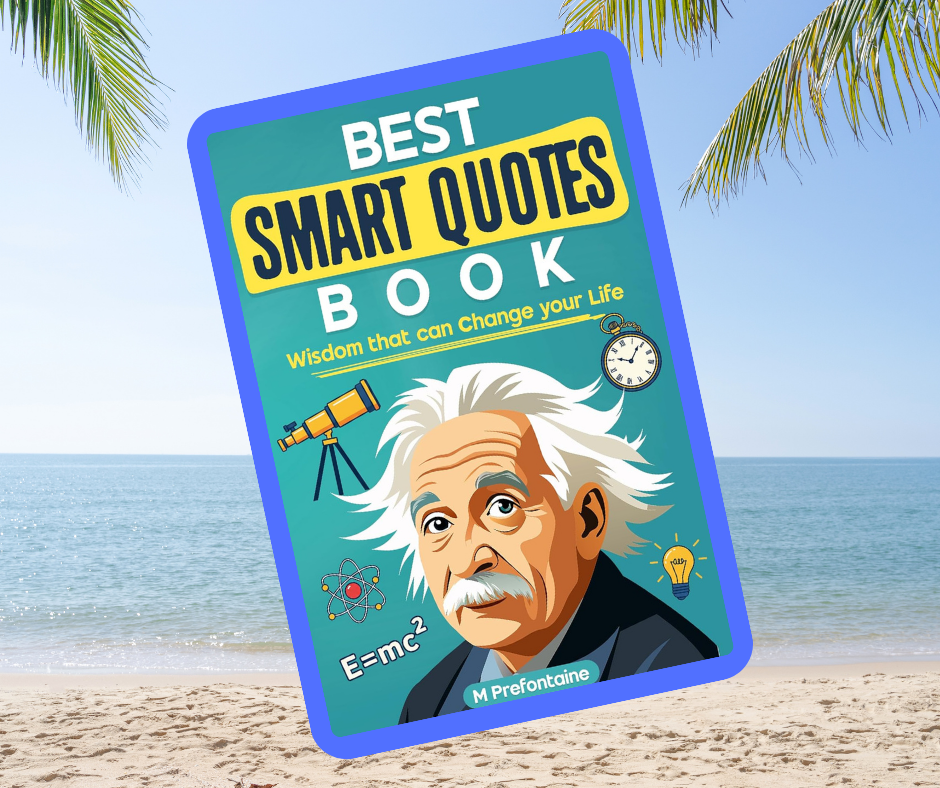
The Best Smart Quotes Book

Wisdom That Can Change Your Life (Quotes For Every Occasion Book 12)

Upgrade your thinking—one brilliant line at a time

Discover the right words for every moment. The Best Smart Quotes Book gathers 1,100+ razor-sharp lines of wisdom—from Plato to Bob Dylan—curated to spark insight, lift your day, and sharpen your thinking.

  • Makes the perfect thinking gift
  • Find timeless ideas distilled to a single unforgettable line
  • Each quote is chosen for clarity, bite, and staying power.
    • For the curious mind
Ed
4 out of 5 stars
A book of wonderful sayings
Reviewed in the United States on November 12, 2020
Format: Kindle
Verified Purchase
To keep in context, this is a book of

Sayings by wonderful people,

Wonderful sayings by some people.

Sayings that make you wonder

Sayings that you wonder what they mean

And if you read several pages at one sitting, you will have a wonderful headache.
Posted in #non-fiction

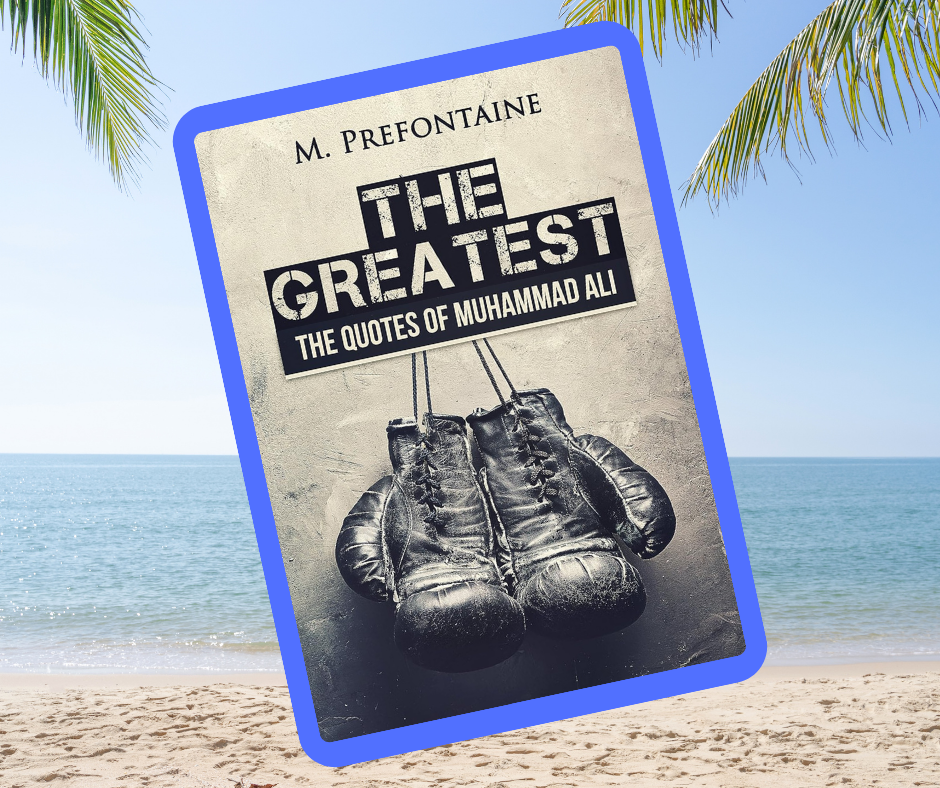
The Greatest: The Quotes of Muhammad Ali 

(Quotes For Every Occasion Book 11)

The Greatest in his own words

“I’ll tell you how I would like to be remembered: As a black man who won the heavyweight title – Who was humorous and never looked down on those who looked up to him – A man who stood for freedom, justice and equality – And I wouldn’t even mind if folks forgot how pretty I was.”

Muhammad Ali

No one has straddled the world of sport, politics and popular culture as Muhammad Ali did.

He was born in Louisville in 1942 in an America where blacks were subjected to a brutal apartheid and were treated as second class citizens. He rose, through his boxing skill and character, to become the most famous person in the world at the time.

He was most famous for styling himself as ‘The Greatest’. There is a consensus that he was the greatest of boxers during an era of great boxers. However, he was far more than that. He was a very great man a moral leader, anti-war and fierce opponent of racial prejudice.

A career beyond boxing as a black political leader, fighting for the rights of an oppressed minority, seemed inevitable. Fate had another twist however and Ali suffered from Parkinson’s Disease for 30 years, possibly exacerbated by an extended boxing career. This rendered his full potential as an advocate for black rights impossible.

This book is some of the wit and wisdom of a much loved and complex man through his own words.

Posted in #non-fiction

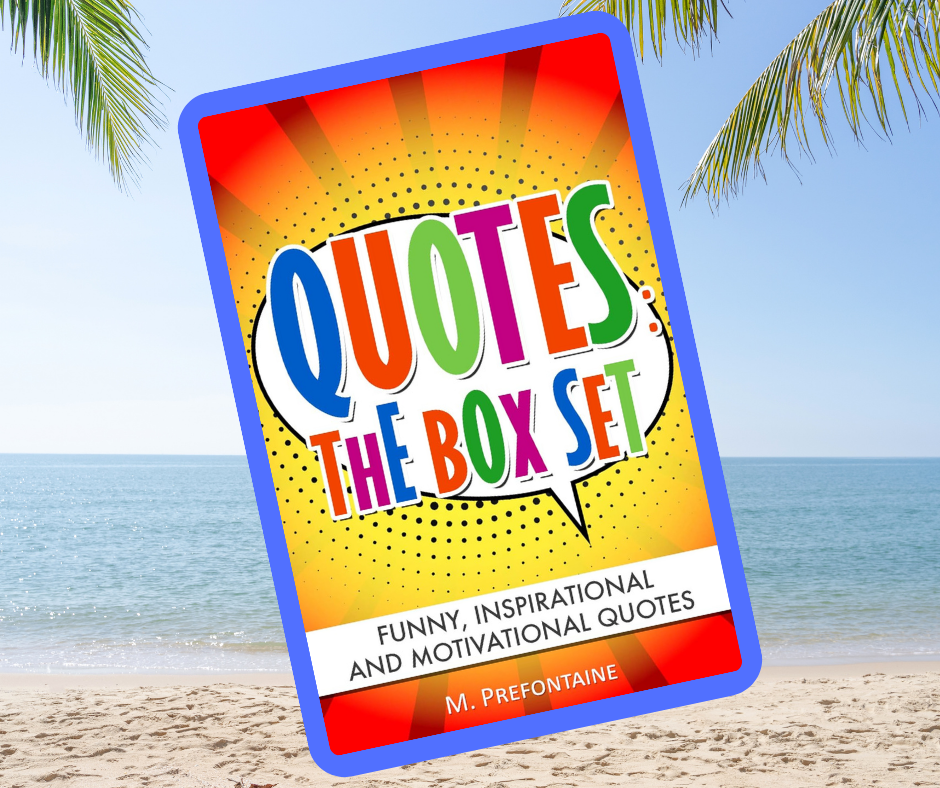
Quotes: The Box Set

Funny, Inspirational and motivational quotes (Quotes For Every Occasion Book 10)

Box Set of 13 Books of the Greatest Quotations.

This Box Set has to be the best value quotes book for the number and the quality of the quotes. It is a compilation of 13 quotes books by M. Prefontaine. They are;

The Big Book of Quotes
The Book of Best Sports Quotes
An Inspirational Quote a Day
501 Quotes about Love
501 about Life.
The Book of Funny Sports Quotes
Nelson Mandela
The Funniest Quotes Book
The Greatest: The Quotes of Muhammad Ali
Quotes By Great Americans
The Best Smart Quotes Book
Golf:Its a Funny Old Game
Best Inspirational and Motivational Quotes

The compilation contains over 10,000 quotations for virtually every occasion and sentiment.

The book is aimed primarily at those of us who love the bon mot that encapsulates a part of life in an interesting or amusing way. They are for those who want to spice up a speech or an email or for those who just want to sit and read some of the greatest and most succinct thoughts from some of the greatest minds, and indeed some from the not so great.

If you are looking for inspirational quotes, motivational quotes, quotes that will change your life, smart quotes, famous quotes, uplifting quotes, quotes about life, love quotes – then this book is for you.

Alternatively if you are not looking for a particular quote but just want to read an interesting book that you can read and relax with then this is for you.

Tags:Positive quotes, uplifting quotes, short inspirational quotes, famous quotes about life, inspirational sayings, encouraging quotes, inspirational messages, daily inspirational quotes, motivational sayings, inspirational quotes, great quotes, motivational quotes, inspirational quotes about life, motivational thoughts, inspirational quotes about love, sad quotes, good quotes, famous quotes, daily quotes, meaningful quotes, motivational words, cute quotes, short quotes, best quotes, motivational messages, quote of the day, quotable quotes, quotation, motivational quotes to get the blood moving, quotes box, quotes every man should know, quotes growth, quotes happiness, quotes and sayings

Posted in Guest Authors

How Retirees Can Thrive as Digital Nomads with Flexible Remote Work

For retirees who still want purpose and structure after leaving a longtime job, full-stop retirement can feel strangely cramped. The tension is real: the freedom is welcome, but the days can blur, and many post-retirement careers seem to come with fixed hours, fixed locations, and fixed expectations. The digital nomad lifestyle offers another option, location-independent work that travels well and keeps life flexible. With the right mindset, remote work opportunities can turn a “what now?” moment into a second act that feels energizing.

What Senior Remote Work Looks Like Daily

Digital nomadism in retirement is less about constant travel and more about building a life with options. You do work that fits your skills, set hours that match your energy, and choose surroundings that support your mood and health. It is also more common than many people think, with 24% of digital nomads over 50.

Why it matters is the day-to-day payoff: you can trade rigid schedules for flexible mornings, longer walks, and fewer “have to” commitments. And because remote work is already mainstream, it is easier to find tools and communities that make it feel normal, with 32.6 million Americans working remotely.

Picture a typical week where you do two focused work blocks, then spend the rest of the day exploring on foot, cooking fresh meals, or joining a meetup. Work becomes the anchor, not the whole calendar. You still earn, stay engaged, and keep your social circle growing.

Set Up a Simple LLC for Freelance Income on the Road

Once your days have a steady remote-work rhythm, it helps to make sure the business side is just as low-stress. For some retirees doing freelance or consulting work, a basic LLC can be a clean way to separate “you” from “work.” The big draw is limited liability protection, plus potential tax advantages depending on your situation. It can also mean less paperwork and more flexibility than you’d expect when you’re juggling clients from different time zones.

You don’t necessarily need to pay hefty lawyer fees, either. You can file yourself or better yet, save some hassle by looking into how to start an LLC with ZenBusiness, a formation service. Just remember: every state has its own rules and fees, so check your state’s requirements before you hit submit. With that structure in place, choosing a remote gig and getting the word out about what you do gets a whole lot easier.

Pick a Remote Gig and Market Yourself in 30 Minutes

If you can spare half an hour, you can go from “I should do something remote” to “I know what I’m offering and who it helps.” The trick is choosing a gig that matches your real-life experience, and then talking about it in a simple, natural way.

  1. Start with one “experience-to-service” match: Pick one remote job idea for seniors that feels obvious from your past life: online tutoring (your favorite subject), freelance consulting (your industry), bookkeeping help, resume review, customer support, or project coordination. Write a one-line offer: “I help ____ do ____ without ____.” This works because clarity beats variety, clients hire the person who sounds like they’ve done this before.
  2. Choose a gig you can deliver from a suitcase: Before you commit, sanity-check the logistics: time zones, internet needs, and whether you need quiet space for calls. Online tutoring and coaching usually require a steady schedule and a decent webcam setup, while freelance consulting can be mostly asynchronous (docs + email) if you design it that way. If you formed an LLC for your freelance income, use it as a clean “business shell” for invoices and client agreements, less mental clutter on the road.
  3. Package your offer into 3 simple “menu items”: Instead of hourly “pick my brain” work, create three options a client can understand in 10 seconds: a quick consult, a short project, and a monthly retainer. Example for freelance consulting: “90-minute strategy call,” “two-week process cleanup,” and “monthly advisory.” This is a personal branding strategy disguised as pricing, people trust you more when you look organized.
  4. Create a one-paragraph mini bio that sells without bragging: Write 4 sentences: who you help, what you do, your proof, and your friendly angle. Example: “I help small teams untangle operations so projects stop stalling. After 25 years in admin and scheduling, I’m great at finding the bottleneck fast. I offer remote support in short, practical sessions. I’m also flexible with time zones because I travel full-time.” Save it in your notes so you can paste it anywhere.
  5. Do low-pressure self-promotion: ask for 2 reviews and 1 referral: Effective self-promotion doesn’t have to feel salesy, start with people who already trust you. Ask two former coworkers or clients for a 2–3 sentence review that names a specific result, and ask one person to introduce you to someone who might need your help. Since 95% of potential customers read online reviews, a tiny handful of real testimonials can do more than a fancy website.
  6. Post one helpful “proof” a week (15 minutes): For digital marketing for retirees, consistency matters more than going viral. Once a week, share a short tip, a before/after story, or a simple checklist related to your service, then end with one line: “If you want help with this, message me.” It keeps your name connected to a specific problem you solve, which is the whole point of personal branding.

When you know your gig, your “menu,” and your mini bio, the rest becomes practical logistics, how you’ll get paid, what tech you’ll rely on, where you’ll work comfortably, and how you’ll keep client communication smooth while you roam.

Quick Answers for Retiree Digital Nomads

Q: What are the unique benefits of becoming a digital nomad after retirement?
A: You get to keep purpose and structure without giving up freedom. Because a quarter of all workdays are remote, many clients already expect flexible, location-friendly collaboration. Start small with a light weekly workload so you can test routines and energy.

Q: How can retirees find comfortable and tech-friendly accommodations when traveling frequently?
A: Prioritize “quiet, stable Wi-Fi, and a real desk” over trendy neighborhoods. Message hosts before booking to confirm internet speed, backup options, and whether calls are truly workable. When in doubt, book a shorter first stay so you can switch without stress.

Q: What strategies help seniors manage communication effectively with remote clients or customers?
A: Set one main channel, one weekly update day, and clear response windows so you are not always “on.” Many teams use tools like Slack, often called a cornerstone of any virtual company, but simple email plus scheduled calls works too. Write templates for updates, invoices, and next steps to reduce decision fatigue.

Q: How can returning retirees save money on travel and living expenses while working remotely?
A: Slow travel usually wins: stay longer, move less, and negotiate monthly rates. Cook a few meals at home, use public transit, and choose places where you can walk to the basics. Keep a weekly spending check-in so small leaks do not become big surprises.

Your Retiree Digital Nomad Setup Checklist

With that foundation in place: This quick checklist keeps the fun part fun while your work stays calm and predictable. Run through it before each move, and you will avoid most of the common stress points.

✔ Define your service and a weekly hour cap

✔ Confirm lodging has quiet space, reliable Wi-Fi, and a real desk

✔ Pack a mobile workspace kit: laptop stand, headset, power strip

✔ Set one communication channel and two daily reply windows

✔ Create templates for updates, invoices, and project wrap-ups

✔ Schedule a weekly money check and log every work expense

✔ Plan travel days as no-meeting days with buffer time

Check these off, then enjoy the freedom you earned.

Turn Retirement Into a Digital Nomad Life With Meaning

Retirement can feel like a choice between staying safe and staying curious, especially when work and home have always been tied together. The real shift is taking a calm, flexible approach: start small, test what fits, and let routines evolve as the scenery changes. That’s how inspiring retiree journeys become digital nomad success stories, less about constant motion, more about empowerment in retirement, lifestyle transformation, and remote work fulfillment that still feels like you. Aging with purpose is easier when work supports your life, not the other way around. Choose one item from the checklist today and take a single step, send a pitch, schedule a call, or set up your workspace. That steady momentum matters because it builds resilience, connection, and a life that keeps growing.