

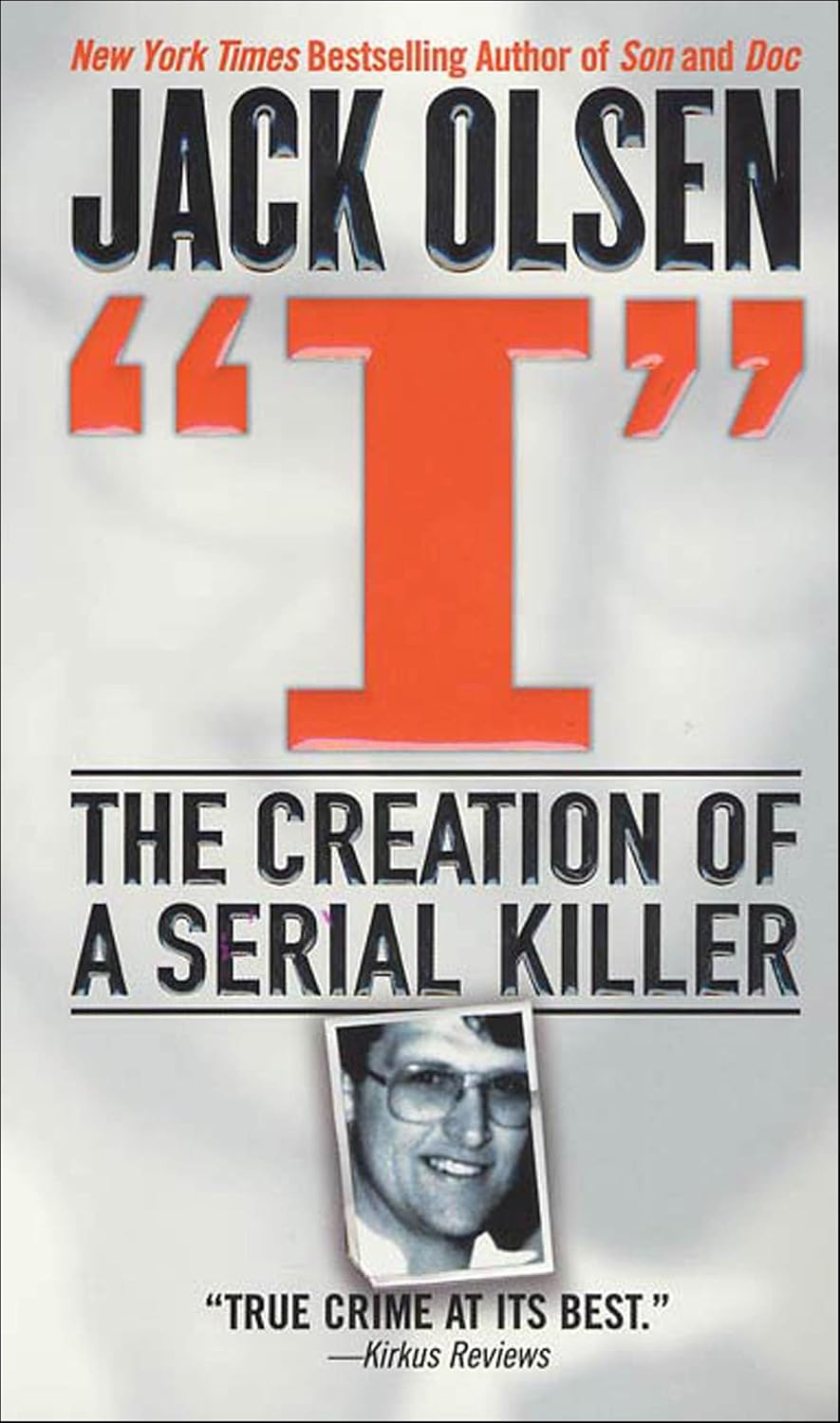
The prize-winning, bestselling journalist provides a fascinating glimpse into the mind of “The Happy Face Killer” in the serial murderer’s own words . . .
In February 1990, Oregon State Police arrested John Sosnovke and Laverne Pavlinac for the vicious rape and murder of Taunja Bennet, a troubled twenty-three-year-old barfly who had a mild intellectual disability since birth. There was just one problem. They had the wrong people.
And the real killer wasn’t about to let anyone take credit for his kill. Keith Hunter Jesperson was a long-haul truck driver and the murderer of eight women, including Taunja Bennet. As the case wound through police precincts and courts—ending in life sentences for both Sosnovke and Pavlinac—Jesperson began a twisted one-man campaign to win their release. To the editors of newspapers and on the walls of highway rest stops, Jesperson scribbled out a series of taunting confessions. At the end of each admission, Jesperson drew a happy face, earning for himself the grisly sobriquet “The Happy Face Killer.”
Based on access to interviews, diaries, court records, and the criminal himself, I: The Creation of a Serial Killer is Jesperson’s chilling story. It chronicles his evolution from angry child to sociopathic murderer, from tormentor of animals to torturer of women. It is also the story of the fate that befell him after two innocent citizens were imprisoned four years for one of his killings.
In I: The Creation of a Serial Killer, Edgar Award winner Jack Olsen lets Jesperson tell his story in his own words, offering unprecedented insight into the twisted thought process of a serial murderer.


 Book Reviews by the Reluctant Retiree