A Captivating Guide to Historical Events and Facts You Should Know About the Silver State (U.S. States)
The Unforgettable Story of the Silver State
Nevada has a story unlike any other.
Long before the bright lights of Las Vegas lit up the desert, this land held stories carved into the earth. Native American tribes lived here for centuries, surviving and thriving, in some of the harshest terrain in the West.
Then came the settlers. Some were chasing land, others chasing luck. What they found was buried treasure: copper, gold, and especially silver. So much silver that it gave Nevada its nickname and a reputation that still lingers.
But silver was only the beginning.
This book follows Nevada’s journey from wide-open frontier to one of the most talked-about places in America. Nevada’s history includes mining booms and Mormon wagon trains. It also features nuclear tests and UFO sightings. The state’s history is full of twists, secrets, and surprises.
Inside, you’ll discover:
The deep roots of Nevada’s Native cultures and how they shaped the land.
How silver and gold rushes turned this quiet territory into a state.
The early rise of Las Vegas and why gambling became its signature.
The role of Mormon settlers in shaping early communities.
The long shadow of Area 51 and Nevada’s military testing grounds.
What still sets Nevada’s people apart: tough, independent, and never boring.
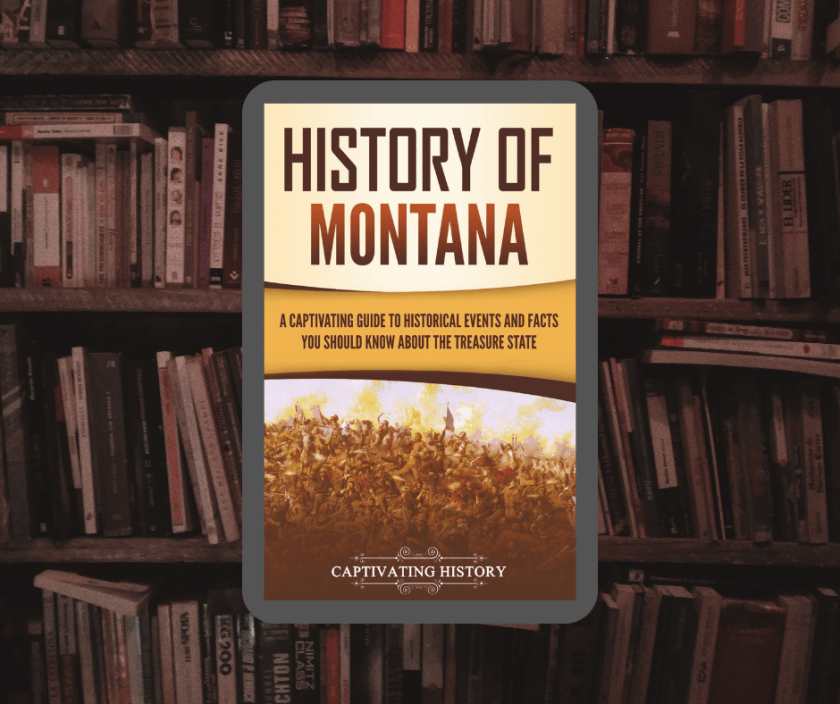
A Captivating Guide to Historical Events and Facts You Should Know About the Treasure State (U.S. States)
A Sprawling Legacy From Tribal Lands to the Treasure State
Montana is known for its majestic landscapes, but the true soul of the state lies in its untold stories. This book connects you to the real Montana: a land forged by perseverance, ambition, and constant change. From the ancient ways of Native Americans to the hard-fought battles for statehood, Montana’s past is full of powerful stories. These stories challenge the myths. They deepen your connection to the American West. You may have been born under the Big Sky. Or you may just be beginning to discover it. This is your opportunity to understand the impact of the events. You can learn about the lives of the people. This is also a chance to see the turning points that shaped Montana into what it is today.
Inside, you’ll uncover:
The early lives, alliances, and conflicts of the Native American nations who first lived here.
How the Lewis and Clark Expedition forever altered the land and its people.
The brutal and chaotic rush for gold and the towns that rose and fell in its wake.
Montana’s path to statehood and the political battles that almost derailed it.
How homesteading reshaped the landscape, and the cost it carried for Native tribes.
The rise of the mining empires and the laborers and tycoons who clashed in the shadows.
Montana’s hidden role in the Cold War, including nuclear silos and strategic secrets.
How modern Montana navigates environmental pressures, economic change, and identity.
And so much more!
This book provides insights into a state where land and history are deeply intertwined and where the past still shapes the present.
Over 200 true stories of boneheadedness and buffoonery from the New York Times-bestselling author of Stupid History!
Former Saturday Night Live writer Leland Gregory has shown us gray matter-challenged examples in various areas. These range from the criminal world to the hallowed halls of government. This time, though, everyone, everywhere is fair game if they’ve exhibited outrageously stupid behavior. Consider:
* The forgetful fireman who left cooking oil on the stove and returned from a call to find the station house burned to the ground
* A lung cancer patient who caused an explosion when he lit up a cigarette—in his oxygen tent
* A 58-year-old billiards player who was suspended from competition after testing positive for a muscle-building hormone
* F. Edward Hebert, chairman of the House Armed Services Committee, who said, “The only way we’ll get a volunteer army is to draft them”
Hey Idiot! lets everyone from bosses to public officials, doctors to sports heroes, skewer themselves with their moronic words and actions.
The True Story of a Native American’s Quest for Justice
In 1877, Standing Bear and his Indian people, the Ponca, were forcibly removed from their land in northern Nebraska. In defiance, Standing Bear sued in U.S. District Court for the right to return home. In a landmark case, the judge, for the first time in U.S. history, recognized Native American rights-acknowledging that “Standing Bear is a person”-and ruled in favor of Standing Bear. Standing Bear Is a Person is the fascinating behind-the-scenes story of that landmark 1879 court case. It also details the subsequent reverberations of the judge’s ruling across nineteenth-century America. It is also a story filled with memorable characters typical of the Old West. The story includes the crusty and wise Indian chief, Standing Bear. It also features the Army Indian-fighting general who became a strong Indian supporter. Additionally, it highlights the crusading newspaper editor who championed Standing Bear’s cause. Finally, it presents the “most beautiful Indian maiden of her time,” Bright Eyes, who became Standing Bear’s national spokesperson. This story takes place when America was obsessed with winning the West at any cost. It portrays an intensely human story. It represents a small victory for compassion. It also recounts an American tragedy. Standing Bear won his case. However, the court’s decision that should have changed everything, in the end, changed very little for America’s Indians.
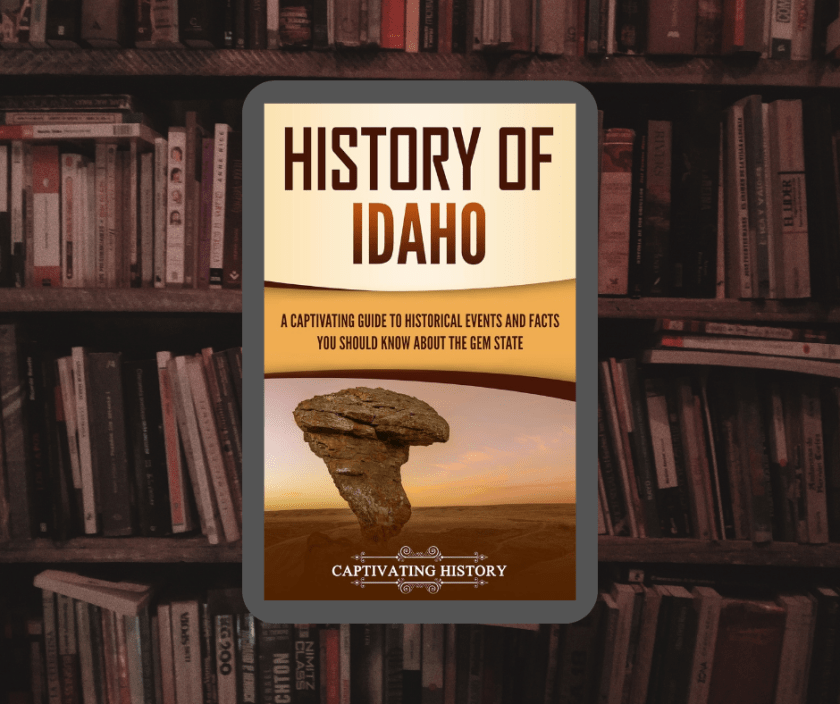
A Captivating Guide to Historical Events and Facts You Should Know About the Gem State (U.S. States)
History of Idaho: A Captivating Journey Through the Gem State’s Past
Idaho’s history is filled with stories that are as rich and surprising as its breathtaking landscapes. Idaho’s past holds events from the early Native American tribes. These include the daring Lewis and Clark Expedition. These events shaped it into the state it is today. But how much do we really know about the people and moments that made Idaho what it is?
History of Idaho isn’t just a history book. It’s a trip back in time that uncovers the untold stories and big changes Idaho has seen. Whether you’re a history lover or new to Idaho’s story, this book will surprise you. It reveals details that have stayed hidden for generations.
Inside, You’ll Discover:
The Early Tribes of Idaho: Learn about the lives, cultures, and lands of Idaho’s Native American tribes.
The Lewis and Clark Expedition: Follow the explorers on their journey. Discover how they helped put Idaho on the map.
The Fur Trading Era: Meet the brave fur traders. Learn how they set up trading posts. These posts helped early settlements grow.
Gold Rushes and Mining Booms: See how the rush for gold changed Idaho forever, bringing new people and opportunities.
Becoming a State: Understand Idaho’s road to statehood and the challenges it faced as a young state.
Idaho Today: Explore how Idaho has grown in modern times, becoming a place of new ideas and diverse cultures.
With every page, History of Idaho brings Idaho’s story to life. This book is a chance to see Idaho in a whole new way, beyond its mountains and potatoes.









 Book Reviews by the Reluctant Retiree