

This acclaimed biography separates history from myth to reveal the man behind the enduring Western legend.
In popular culture, Wyatt Earp is the hero of the Gunfight at the O.K. Corral in Tombstone, Arizona, and a beacon of rough cowboy justice in the tumultuous American West. The subject of dozens of films, he has been invoked in battles against everything from organized crime in the 1930s to al-Qaeda after 9/11. Yet as the historian Andrew C. Isenberg reveals here, the Hollywood Earp is largely a fiction—one created by none other than Earp himself.
The lawman played on-screen by Henry Fonda and Burt Lancaster is stubbornly duty-bound; in actuality, Earp led a life of impulsive lawbreaking and shifting identities. When he wasn’t wearing a badge, he was variously a thief, a brothel bouncer, a gambler, and a confidence man.
By 1900, Earp’s involvement as a referee in a fixed heavyweight prizefight brought him notoriety as a scoundrel. Determine to rebuild his reputation, he spent his last decades in Los Angeles, spinning yarns about himself for credulous silent film actors and directors. Isenberg argues that Hollywood’s embrace of Earp as a paragon of law and order was his greatest confidence game of all.
Finalist for the 2014 Weber-Clements Book Prize for the Best Non-fiction Book on Southwestern America
Tag: #TrueCrime
After Etan: The Missing Child Case that Held America Captive
“Unravels a complex and tangled mystery while seamlessly telling the heart wrenching story of a family trying to cope with every parent’s worst nightmare.”*
“Every American needs to know Etan’s story.” —John Walsh
With a New Chapter
In After Etan, author Lisa R. Cohen draws on hundreds of interviews and nearly twenty years of research—including access to the personal files of the Patz family—to reveal, for the first time, the entire dramatic tale of Etan’s disappearance.
On the morning of May 25, 1979, six-year-old Etan Patz left his apartment to go to his school bus stop. But he never made it to school that day. He vanished somewhere between his home and the bus stop, and was never seen again.
The search for Etan quickly consumed his family’s downtown Manhattan neighborhood. “Missing” posters with Etan’s smiling face blanketed the city, followed by media coverage that turned Etan’s disappearance into a national story—one that would change our cultural landscape forever.
Thirty years later, in Etan’s honor, May 25 is recognized as National Missing Children’s Day. But despite the overwhelming publicity his case received, the public knows only a fraction of what happened. That’s because the story of Etan Patz is more than a heartbreaking mystery.
It is also the story of the men, women, and children who were touched by his life in the months and years after he vanished. It’s the story of the agonies and triumphs of the Patz family, and of all the heroic investigators who, to this day, continue to seek justice for Etan.
*Award-winning journalist John Miller
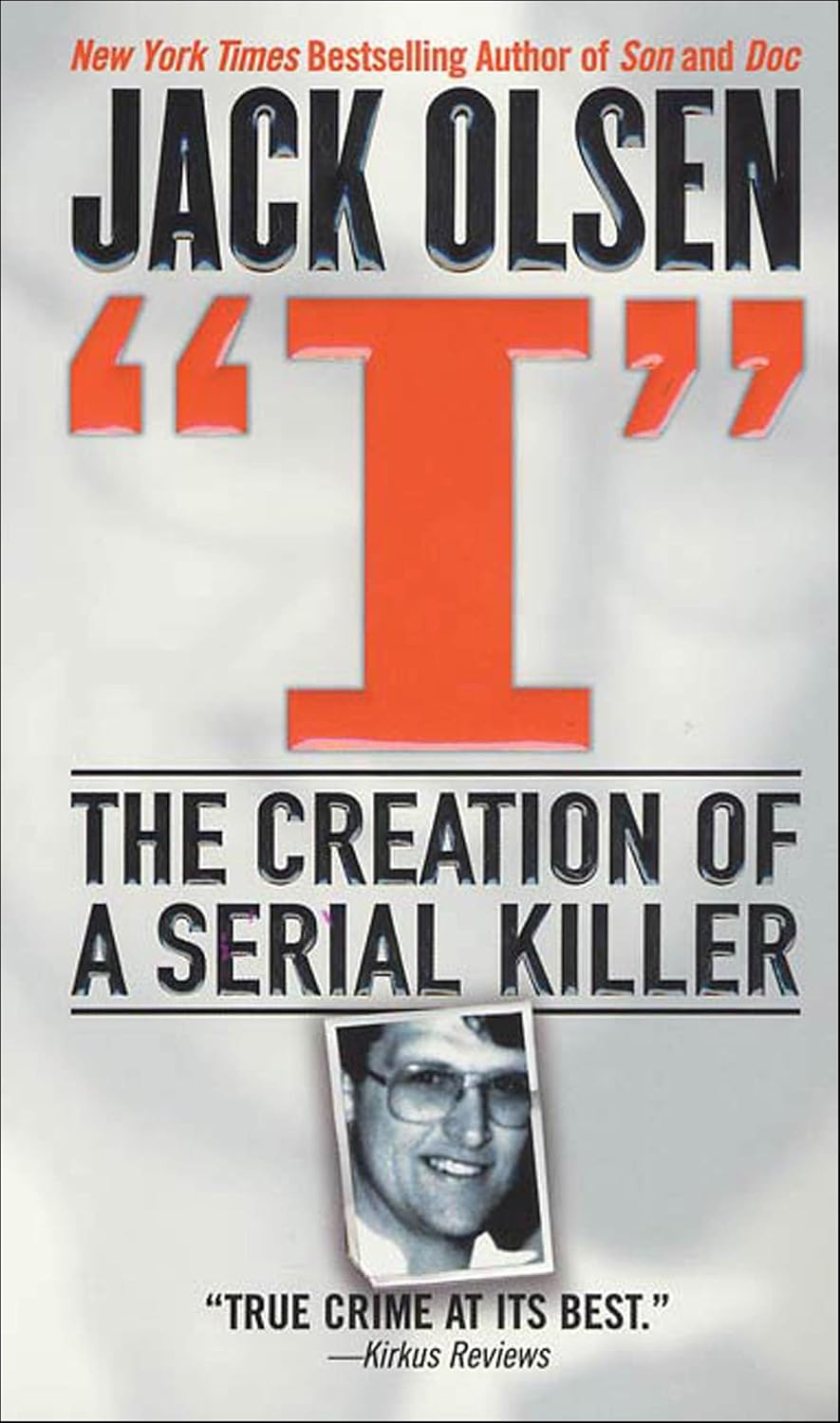
“I”: The Creation of a Serial Killer
The prize-winning, bestselling journalist provides a fascinating glimpse into the mind of “The Happy Face Killer” in the serial murderer’s own words . . .
In February 1990, Oregon State Police arrested John Sosnovke and Laverne Pavlinac for the vicious rape and murder of Taunja Bennet, a troubled twenty-three-year-old barfly who had a mild intellectual disability since birth. There was just one problem. They had the wrong people.
And the real killer wasn’t about to let anyone take credit for his kill. Keith Hunter Jesperson was a long-haul truck driver and the murderer of eight women, including Taunja Bennet. As the case wound through police precincts and courts—ending in life sentences for both Sosnovke and Pavlinac—Jesperson began a twisted one-man campaign to win their release. To the editors of newspapers and on the walls of highway rest stops, Jesperson scribbled out a series of taunting confessions. At the end of each admission, Jesperson drew a happy face, earning for himself the grisly sobriquet “The Happy Face Killer.”
Based on access to interviews, diaries, court records, and the criminal himself, I: The Creation of a Serial Killer is Jesperson’s chilling story. It chronicles his evolution from angry child to sociopathic murderer, from tormentor of animals to torturer of women. It is also the story of the fate that befell him after two innocent citizens were imprisoned four years for one of his killings.
In I: The Creation of a Serial Killer, Edgar Award winner Jack Olsen lets Jesperson tell his story in his own words, offering unprecedented insight into the twisted thought process of a serial murderer.
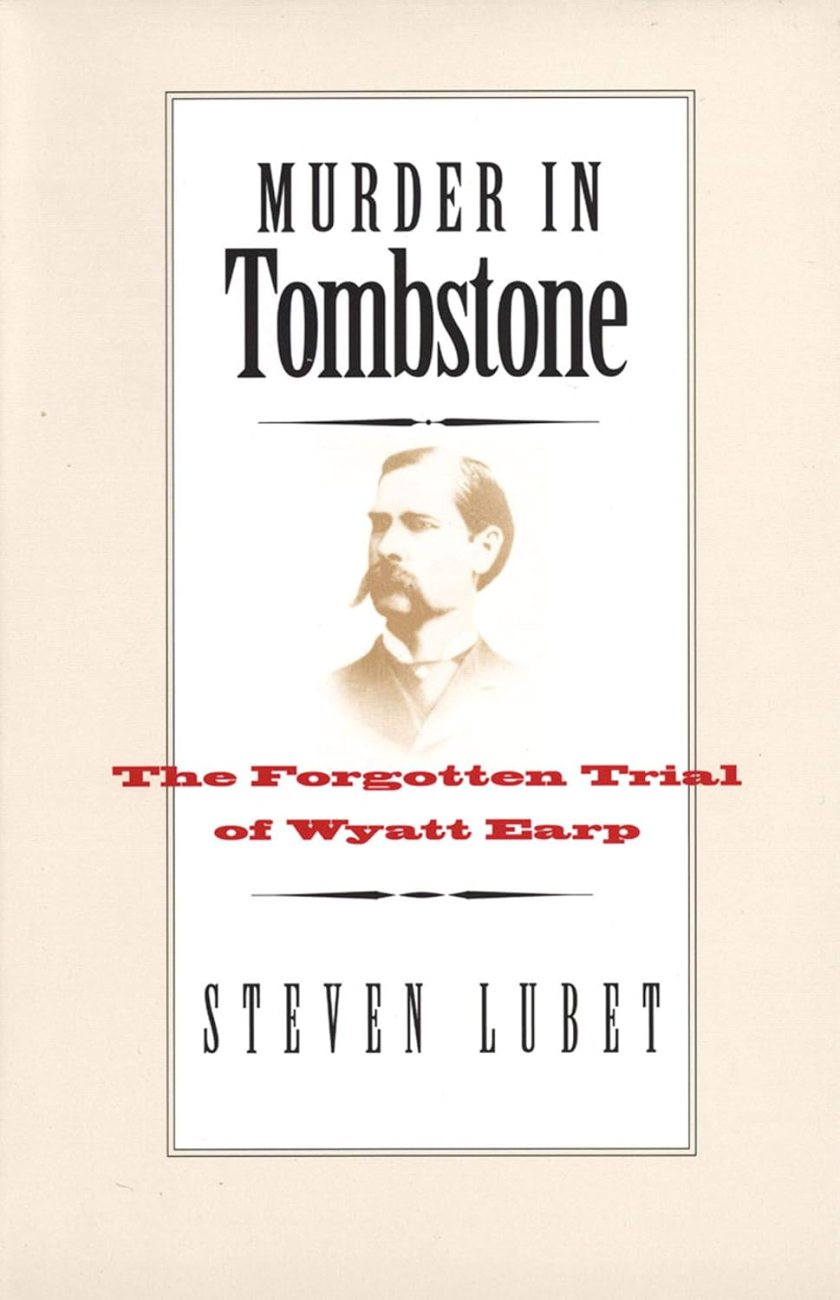
Murder in Tombstone: The Forgotten Trial of Wyatt Earp
The gunfight at the OK Corral lasted less than a minute—yet it became the basis for countless stories about the Wild West. At the time of the event, however, Wyatt Earp was not universally acclaimed as a hero. Among the people who knew him best in Tombstone, Arizona, many considered him a renegade and murderer.
This book tells the nearly unknown story of the prosecution of Wyatt Earp, his brothers, and Doc Holiday following the famous gunfight. To the prosecutors, the Earps and Holiday were wanton killers. According to the defense, the Earps were steadfast heroes—willing to risk their lives on the mean streets of Tombstone for the sake of order.
The case against the Earps, with its dueling narratives of brutality and justification, played out themes of betrayal, revenge, and even adultery. Attorney Thomas Fitch, one of the era’s finest advocates, ultimately managed, against considerable odds, to save Earp from the gallows. But the case could easily have ended in a conviction—and Wyatt Earp would have been hanged or imprisoned instead of celebrated as an American icon.
Long Island’s Vanished Heiress: The Unsolved Alice Parsons Kidnapping (True Crime)
A new look at the 1937 abduction of a wealthy wife and mother, based on previously classified FBI documents—includes photos.
When she was kidnapped from Long Meadow Farm in Stony Brook, New York, in 1937, Alice McDonell Parsons was the heir to a vast fortune among Long Island’s wealthy elite. The crime shocked the nation and was front-page news for several months.
J. Edgar Hoover personally assigned his best FBI agents to the case, and within a short time, Parsons’s husband and their live-in housekeeper, Anna Kupryanova, had become prime suspects. Botched ransom attempts, clashes between authorities, and romantic intrigue kept the investigation mired in drama. The crime remained unsolved. Now, in this book, former Suffolk County detective Steven C. Drielak reveals previously classified FBI documents—and pieces together the mystery of the Alice Parsons kidnapping.